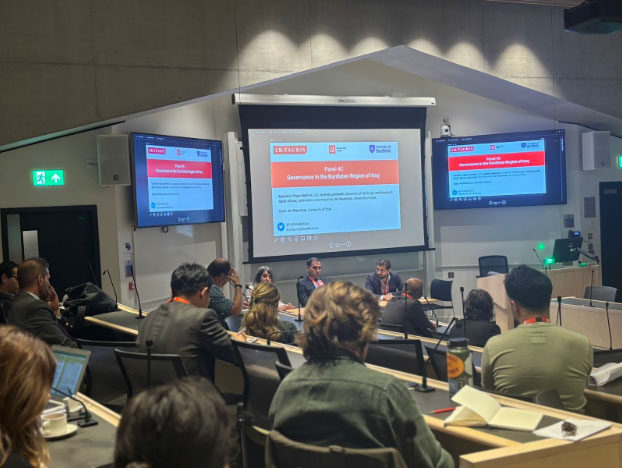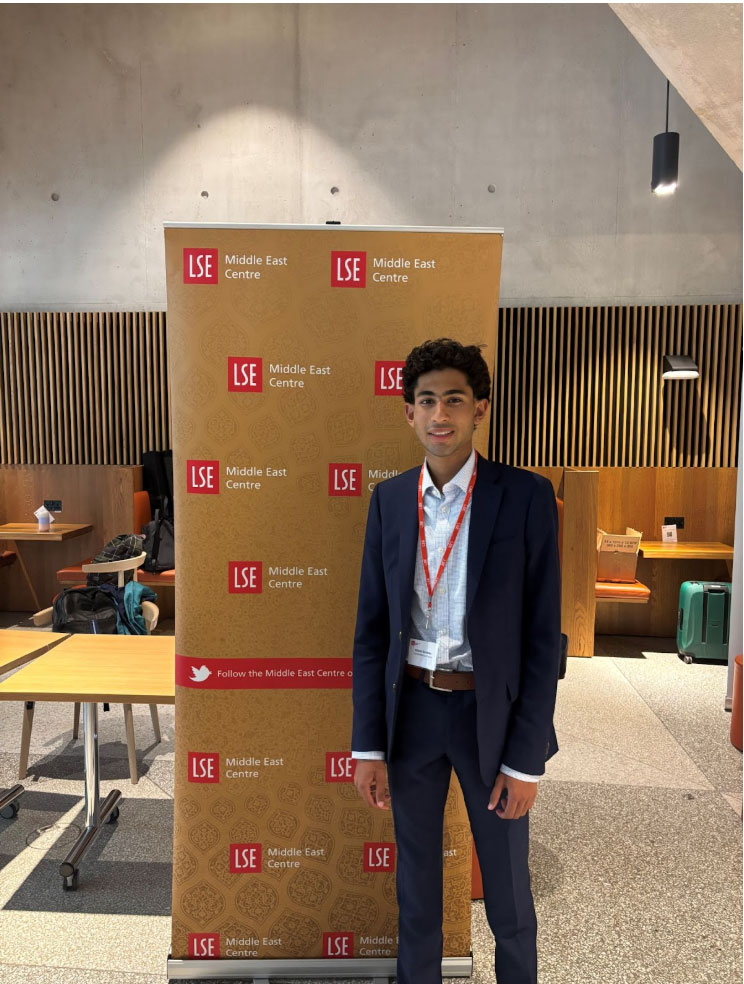
From June 11–13, I had the privilege of attending the Third Kurdistan Conference hosted by the London School of Economics (LSE). The gathering brought together professors, researchers, and thought leaders from across the globe to explore pressing issues facing Kurdistan and the wider region.
As a Student Ambassador—and in keeping with the Developing Diplomacy Organization’s commitment to growing cross-cultural understanding—I had a front-row seat to conversations that went far beyond the headlines. The panels I attended sparked deep reflection, particularly those on economic reconstruction and development in post-conflict Kurdistan. These discussions underscored just how complex rebuilding can be—not only in infrastructure, but in governance, identity, and diplomacy.
Outside of the formal sessions, the conference was a rare opportunity to meet renowned foreign relations experts, celebrated authors, and academics whose research continues to shape international policy debates. It was in this environment of academic exchange that I also contributed to a research project with an analyst from the Arab Center for Research and Political Studies (CERAP) in Paris.
Our paper—“The Barzani Legacy: Shaping Lebanese Politics through Kurdish Influence”—examines the political connections between the Barzani family, leaders of Kurdistan, and Lebanese political actors. This work added another layer to my understanding of how regional dynamics and personal relationships intertwine in shaping diplomacy.
By the end of the week, I walked away with more than just academic insights. I gained a richer perspective on the real-world challenges of post-war reconstruction and the vital role of dialogue in addressing them—lessons that align perfectly with Developing Diplomacy’s mission to equip the next generation with the tools to navigate our interconnected world.